Blogs
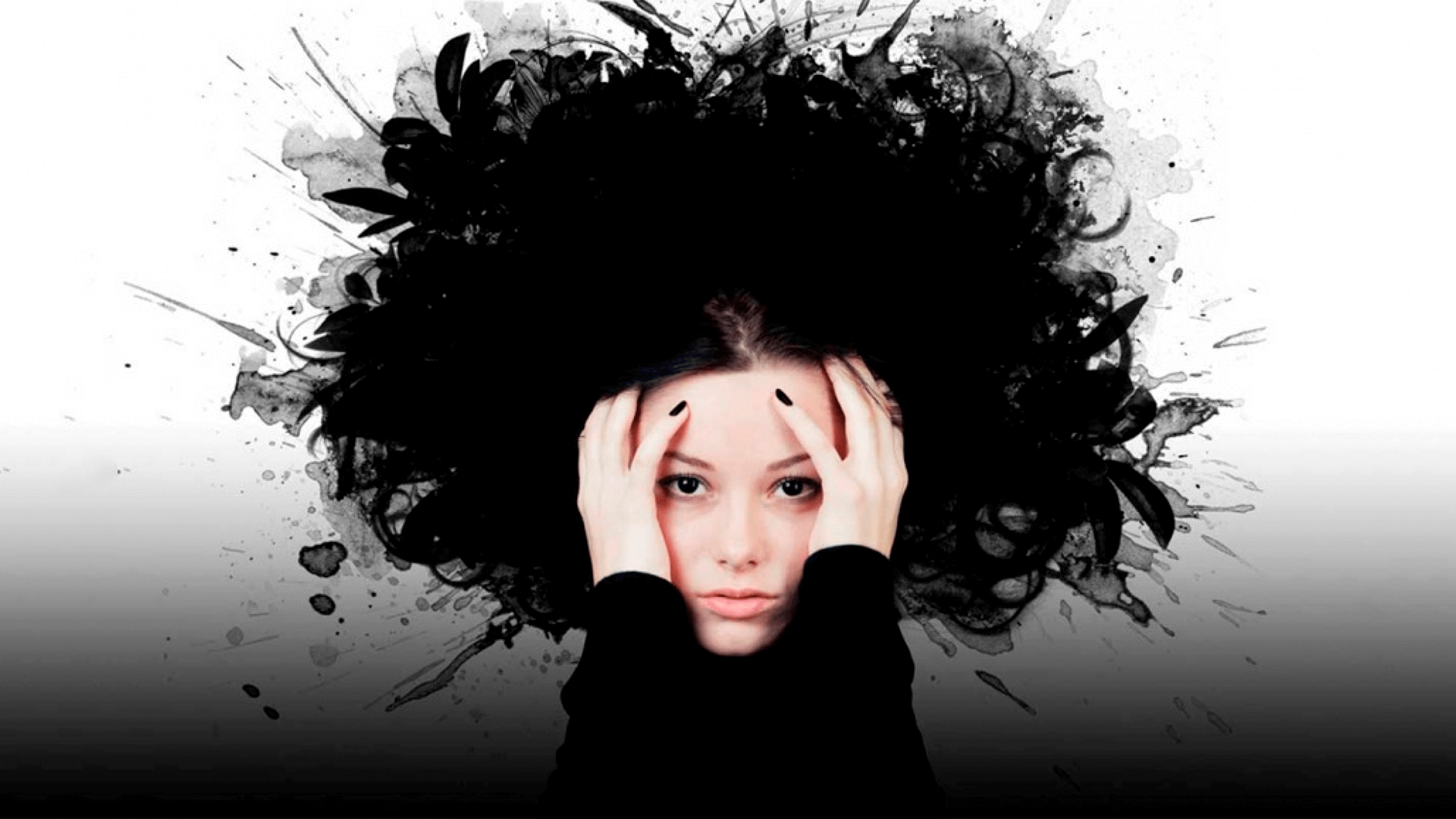
Stress. A few words about the consequences.
Stress, first of all, in the process of life, and sometimes daily, every person encounters events of high-stress intensity (macro traumas) or low intensity but regular (micro traumas). As a result, on one hand – there are external overloads, and on the other hand – not always adequate ways and possibilities of tension processing, which leads to frequently recurring and, as a rule, personality-damaging stresses. What is stress? Now, a little theory.
Stress — is the body's response to a stimulus. Emotions react first, then — the body. Let me try to explain with an example: you see a spider, a rat, a snake, a wolf, etc. (everyone has their own fears), and the first reaction will be fear. Fear signals danger and triggers a bodily response - adrenaline levels jump, blood rushes to the brain, and it gives two reactions out of fright: fight or flee. This is a very simplified explanation. Of course, things are much more complicated, with all reactions controlled by the autonomic nervous system, which is remarkable for processing trillions of operations per minute without our awareness - beating of the heart, muscle contractions, etc. It consists of the sympathetic nervous system (whose task is to be vigilant and keep everything under control) and the parasympathetic (which is responsible for the body's recovery after activities, watches over the functioning of internal organs, and mainly works during sleep). For us to feel healthy, both systems must be in balance, and logically, the more intense the stress, the longer the recovery. But generally, people do not think about this until health problems start.
Also read: «Change, cannot keep» or «change cannot, keep» the decision is yours..
In the late 1970s, Thomas Holmes and Richard Rahe conducted extensive research on various stresses – life events that could lead to mental or physical health issues.
The correlation of these factors was confirmed by them, and as a result of the study, two scales of stressfulness of life events (for adults and children) were compiled. According to the instructions, from the proposed list of events, one had to choose 10 (from the last 5-10 years) that were and remain emotionally significant. They can be completed or ongoing, pleasant (wedding, pregnancy, childbirth, etc.) and unpleasant (death of a partner, divorce, job loss, etc.). The specified list of unpleasant events can already cause depression, apathy, and nervous breakdown, and if you add, for example, injuries, illnesses, or business losses, it is a serious reason to undergo therapy, as there is an 80% or higher likelihood that a person may develop serious diseases (diabetes, cancer, heart attack or stroke, etc.).
When we find ourselves in a stressful situation, our wise body tries to protect us by all possible and impossible means. As a rule, stressful situations are processed mentally and psychosomatically. Psychosomatic symptoms – are the body's ability to communicate that there are currently no other means to cope with stress.
All people resort to the same typical forms of reactions to stress. If we have problems, we become angry, feel depressed, misunderstood, live in constant tension, or see no meaning in life, all these difficulties we can express in 4 areas of the balance model of positive psychotherapy.
· Area of Body. A person is corporeal, they possess a certain physical form and physiology. The needs satisfied in this area – are sleep, nutrition, sexuality, and relaxation, etc.
· Area of Activity. The need to structure, change and transform the world is one of the basic human needs. The main concepts of this area – are activity, work, achievements, and success, etc.
· Area of Contact and Traditions. The need for recognition of one's existence by others, socialization, communication with peers, rules governing this communication, etc.
· Area of Fantasies. This is the need for spiritual life, realized by a person through intuition, dreams, mystical experiences, fantasies, and memories, etc.
A person's self-perception directly depends on how they distribute time and energy between these areas. Ideally, each should be given an equal amount of time. And, if we take all life energy as 100%, then each should contain 25%.
These 4 areas are given to a person from birth, but each individual develops their own most preferred way to cope with stress. If one form is hypertrophied, others are sidelined.
4 ways of reacting to stress:
· Through the body, by feeling, escape into illness
· Through activity, by consciousness - escape into activity
· Through contacts, by traditions - escape into communication
· Through meanings, by intuition - escape into fantasies
And if a person reacts to stress by the body, and often such a way of reaction is learned from family examples, then psychosomatic disorder – is just a matter of time.
Why certain psychosomatic diseases of particular organs occur can be understood based on the following:
· how a person relates to their body in general
· to specific organs and their functions
· also to health and diseases
This attitude explains why, for example, one person reacts with their heart, another with their stomach, respiratory disorders, skin, etc.
But the good news is that by understanding the consequences of stress and your pattern of processing stressful situations, even psychosomatic disorders can be eliminated.
iPsycholog - Your psychologist online.
How to order a free consultation with a psychologist



Betrayal as an indicator of a relationship crisis. How a woman should respond to a man's infidelity
That's when the understanding comes into your life that things will never be the same, that "the ground has been pulled out from under your feet" and you don't know how to live now.
Psychosomatics or a Symptom for Good. A Case Study.
When the body activates its emergency plan called illness, it means the only way to draw our attention to something very important in our life. Long live the symptom for the sake of good!
What psychosomatics is trying to tell us. A client case.
How to Survive a Crisis Caused by the Pandemic. Top 3 Rules.