Blogs
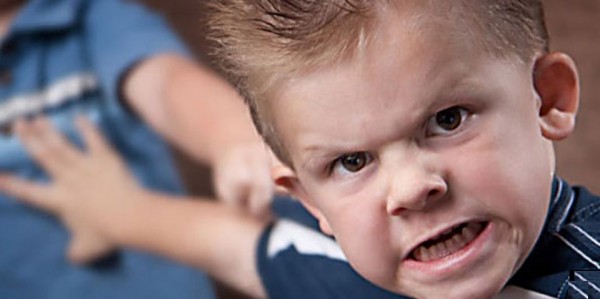
Translate the following text into English. Retain the HTML tags while translating only the text within the tags:Why it is important to allow a child to be angry and how to do it correctly.
To defend their boundaries and be able to protect themselves, children need to be able to stand up to others, and for this, it is important to simply allow themselves to get angry.
Anger or rage are powerful emotions, and dealing with them is hard work, especially for a child, especially if they are forbidden to be angry. But why forbid it? After all, anger is like a protective function, a way for the human brain to signal that something is wrong.
From early childhood, children are taught certain standards of behavior, and when a non-standard situation arises, it naturally causes frustration, disrespect, dissatisfaction, etc., and as a result, aggression, anger, rage. Modern science suggests that in moderate doses and with certain skills, anger can even be beneficial: it stimulates development, reveals creative potential, allows us to change our environment, inspires us to achieve goals, etc. But, if the state of anger occurs frequently and lasts long, it inevitably causes physical and psychological stress, both in children and adults. This, in turn, increases the risk of accidents, domestic violence, drug use, heart attacks, etc. Therefore, it is very important from an early age to teach children to recognize and manage their emotions, in other words, to develop emotional intelligence. Get acquainted with the STAR system and demonstrate to children on a personal example how to wisely cope with anger.
Read also: Belief in yourself and your strength is the best thing parents can give their children. Top 5 ways..
STAR stands for Stop, Think, Ask, Reward. The main task of a person experiencing anger is to slow down and think about how to avoid destructive consequences. I'll try to explain with an example. Something happens, no matter what the situation is, the main thing is to track the moment when heart rate increases, voice changes and face color, and in another second a nasty, aggressive scream will be heard, and everything will go unconstructively. At this moment, you need to:
- Tell yourself STOP and switch your attention to your body: how is the heart beating, how are you breathing in and out, how hot or cold do you feel, are your muscles tense, etc.? Just put yourself "on pause" and remain silent.
- Then THINK about what will happen if I "lose my temper"? Yes, I genuinely believe that this situation is outrageous, but what will happen next if I start yelling or insulting someone, will it help me resolve the situation?
- Then ASK yourself: "What exactly made me angry?" And accept all spontaneous thoughts, no matter how "strange" they may seem. Then ask yourself: "Who decides for me to get involved in a dispute or not, to react to comments about me, my loved ones, etc.?" And answer yourself: "I decide for myself. And if I want, I will continue the dialogue in another way, if I don't want to continue, then what do I want?" And just smile to yourself and into the space as the situation is already under control.
- And be sure to give yourself what you want, and this is the last step in STAR - REWARD yourself, and when responding to your opponent, enjoy your "lovely, gentle voice," even if you really want to "growl," do it alone with yourself.
Read also: The body reacts to emotion for 90 seconds. How to use this time properly..
iPsycholog - Your psychologist online.
How to order a free consultation with a psychologist



Fathers and daughters

The 1st of September is coming soon. Top 3 ideas for adapting to a new team.
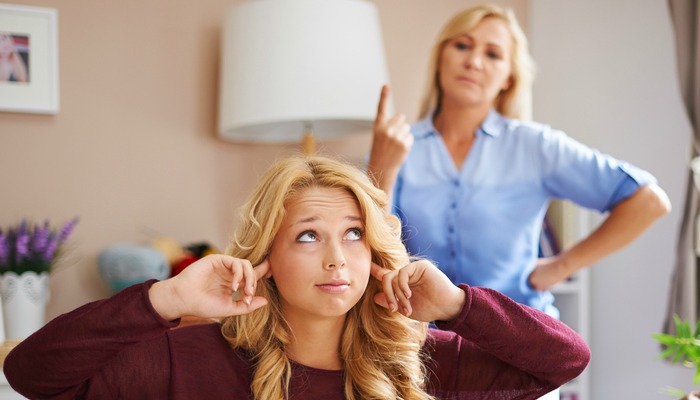
When Your Child is a Troubled Teenager: How to Maintain Relationships.
Once upon a time, on a fine day, any child, even the most well-behaved, pleasant, sweet, kind, responsive, and hug-loving one, turns into a "thorn" and in both the literal and figurative sense, expels the recently dearly loved parents from their space. And this can certainly be confusing and sometimes just infuriate the parents.

«Моя жизнь – моя ответственность и только я выбираю…»